Skip to content
SanskritCompletedFreeRecorded

National Sanskrit Sambhashan Workshop, Jaipur 2026

राष्ट्रीय संस्कृत सम्भाषण कार्यशाला — जयपुर

A ten-day residential workshop in spoken Sanskrit, with grammar — karaka, sandhi, samasa — and Jain Sanskrit literature.

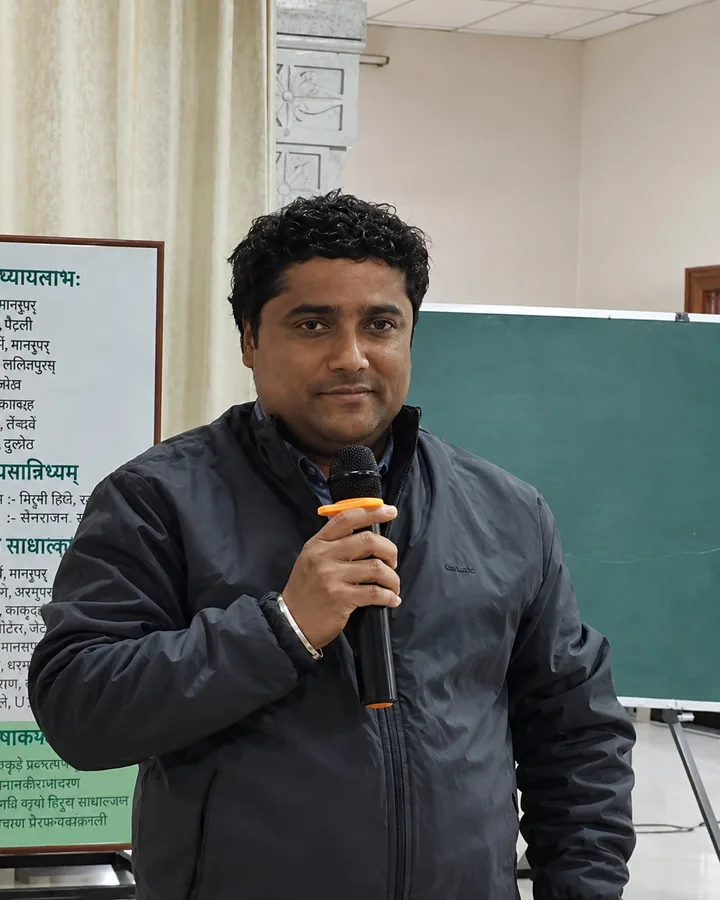
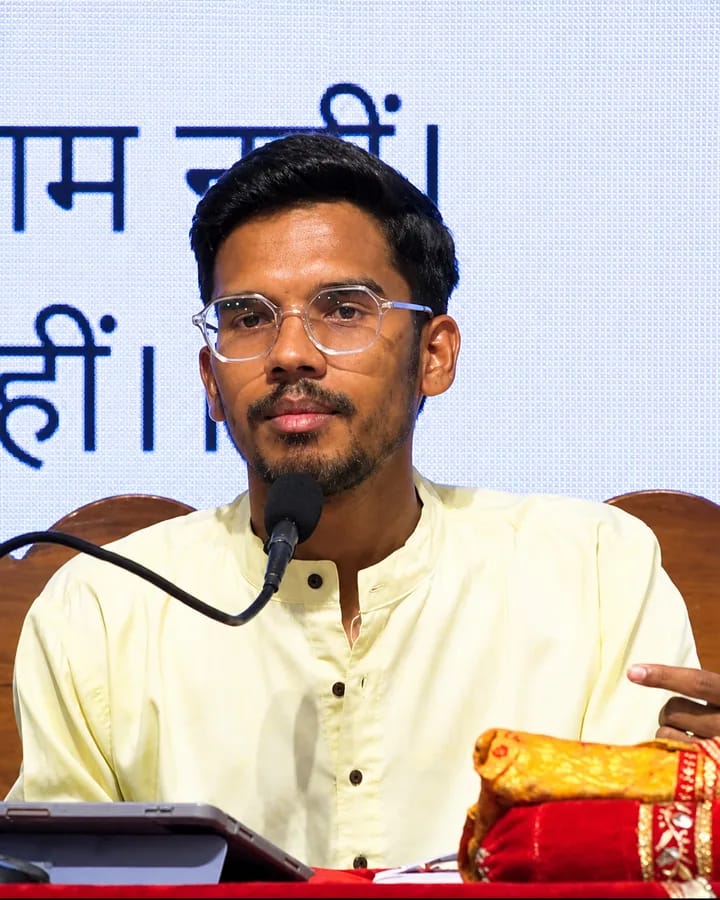
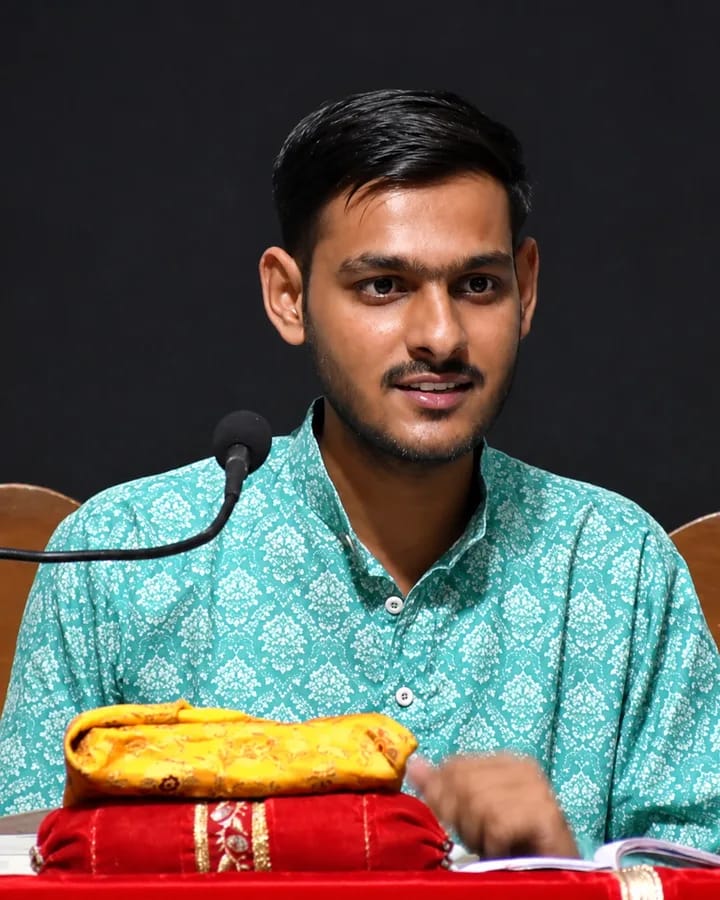
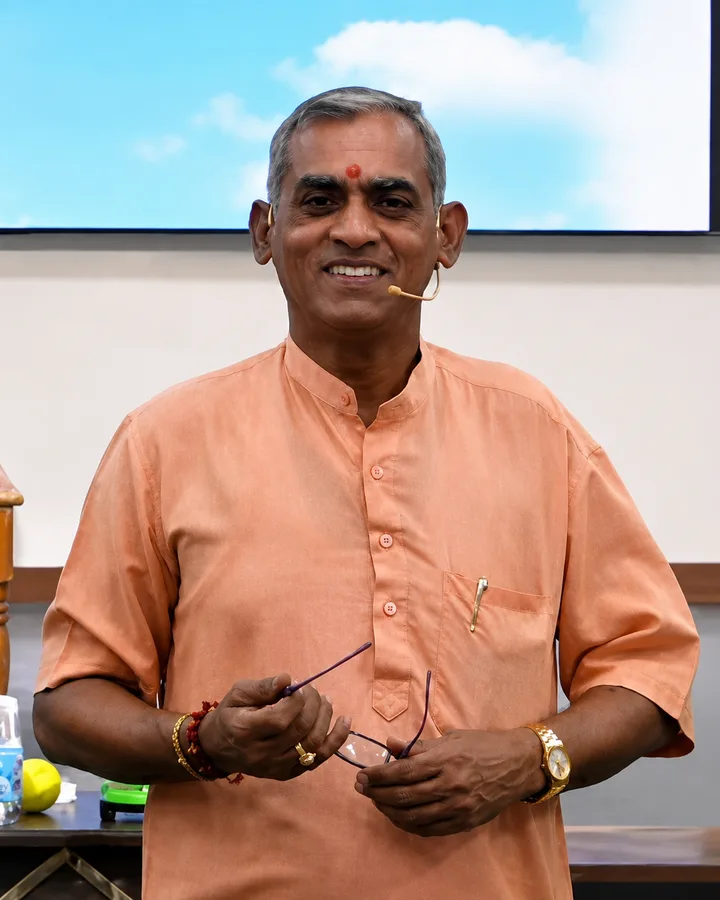
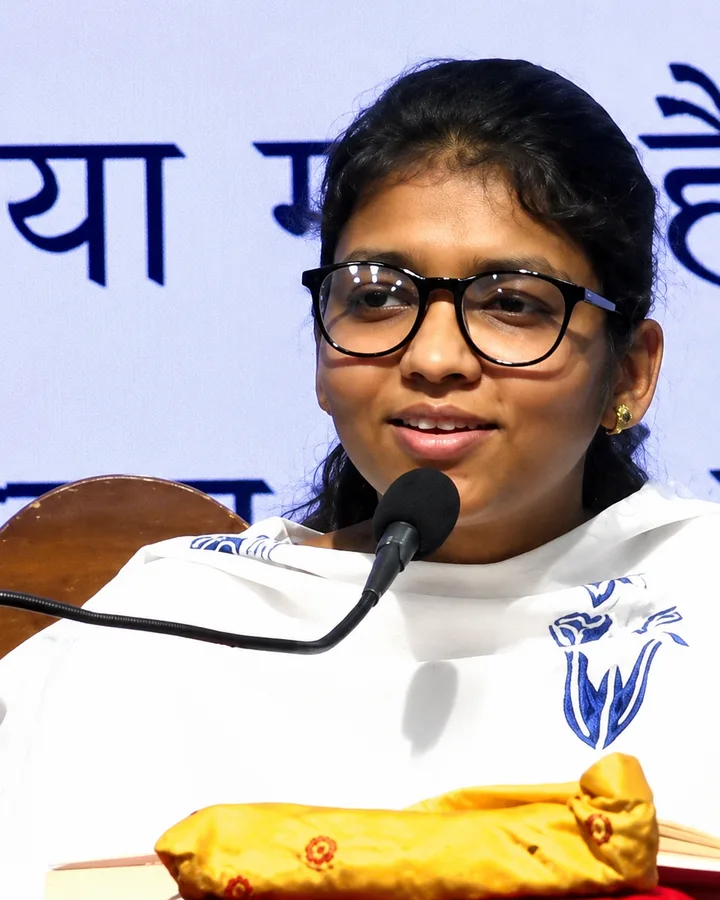
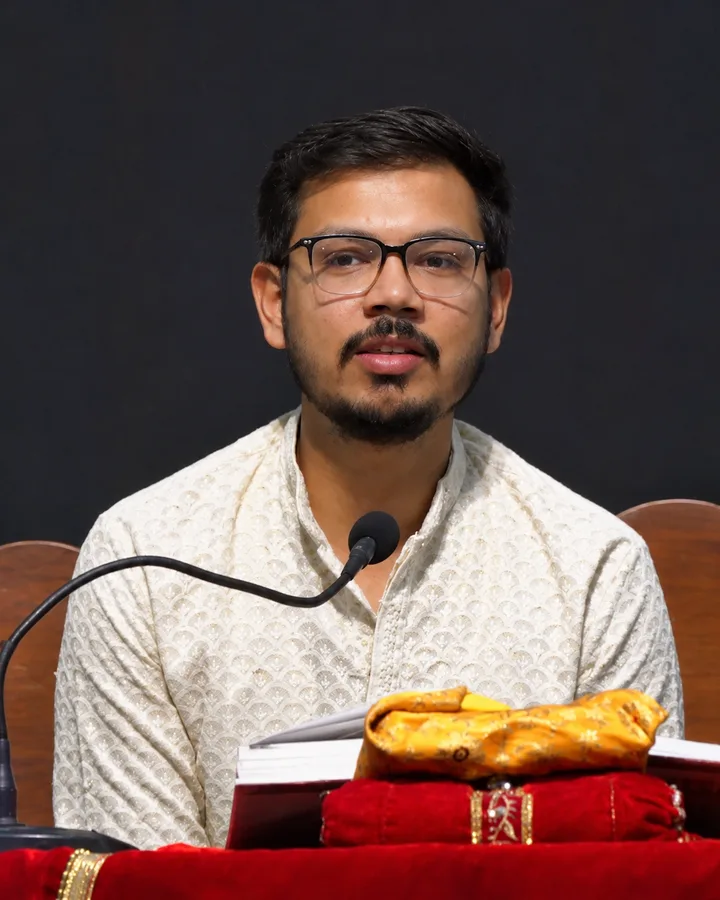
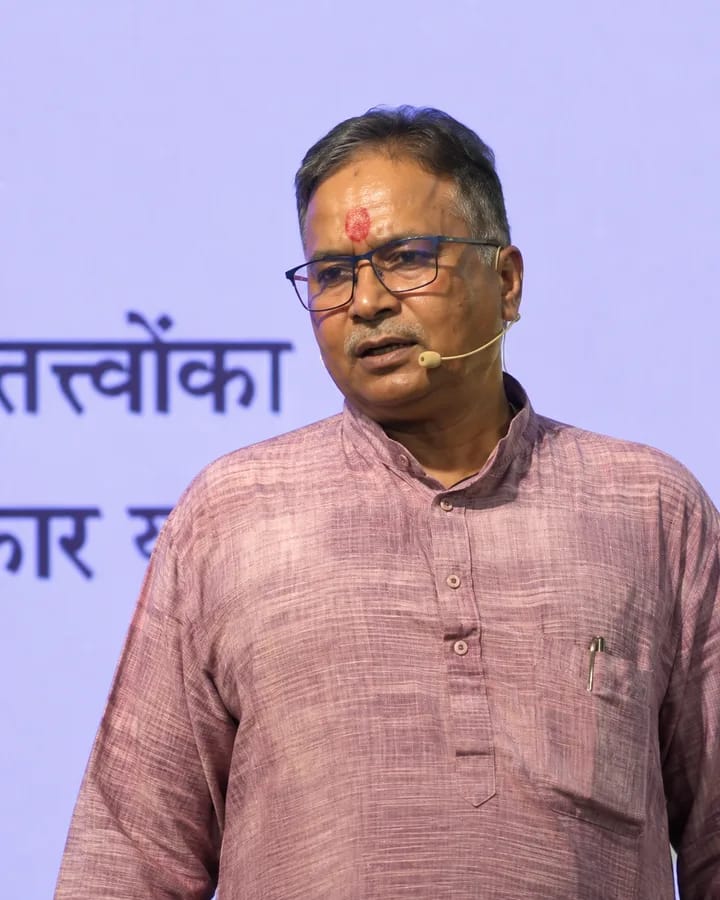
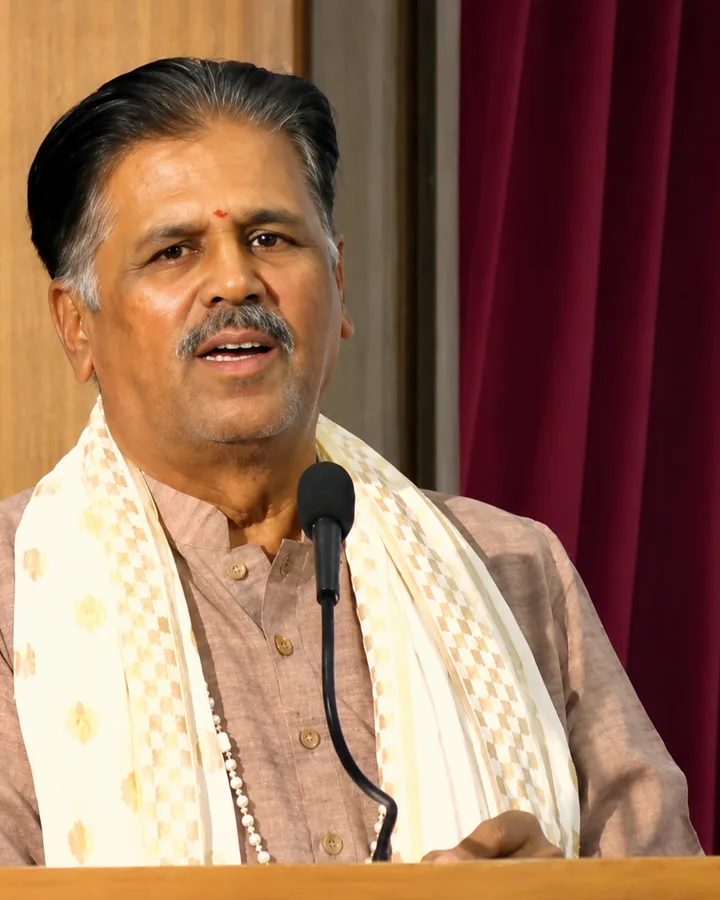
  • Dr. Naresh Singh
  • Savin Kumar Ji
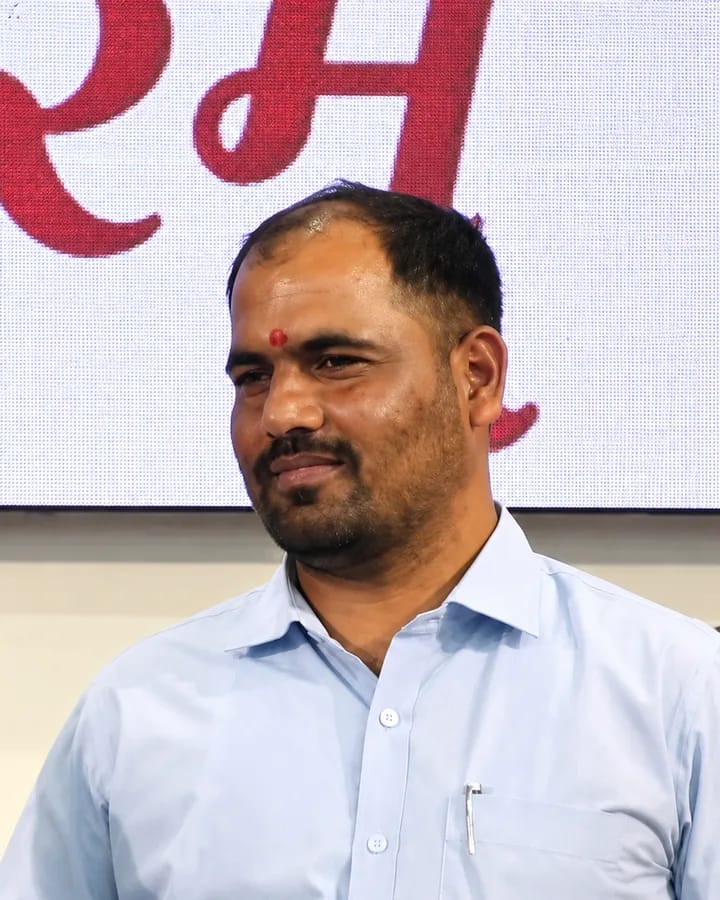
  • Dr. Pramod Ji Shastri
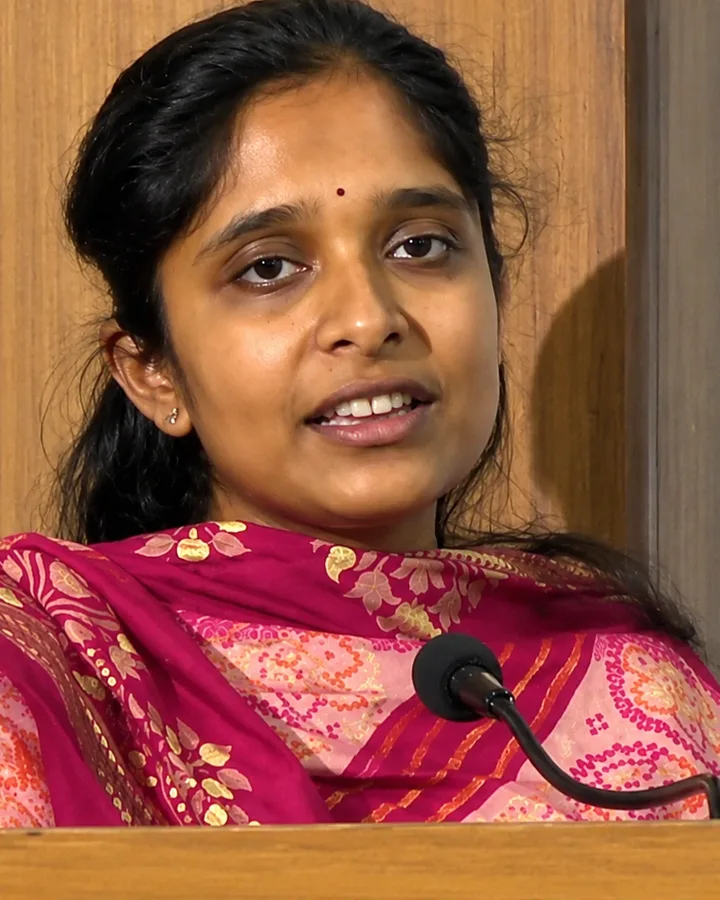
  • Dr. Vipasha Jain Shastri
+8
Taught by Dr. Naresh Singh and 11 more
National Sanskrit Sambhashan Workshop, Jaipur 2026

Jaipur · 13–22 March 2026

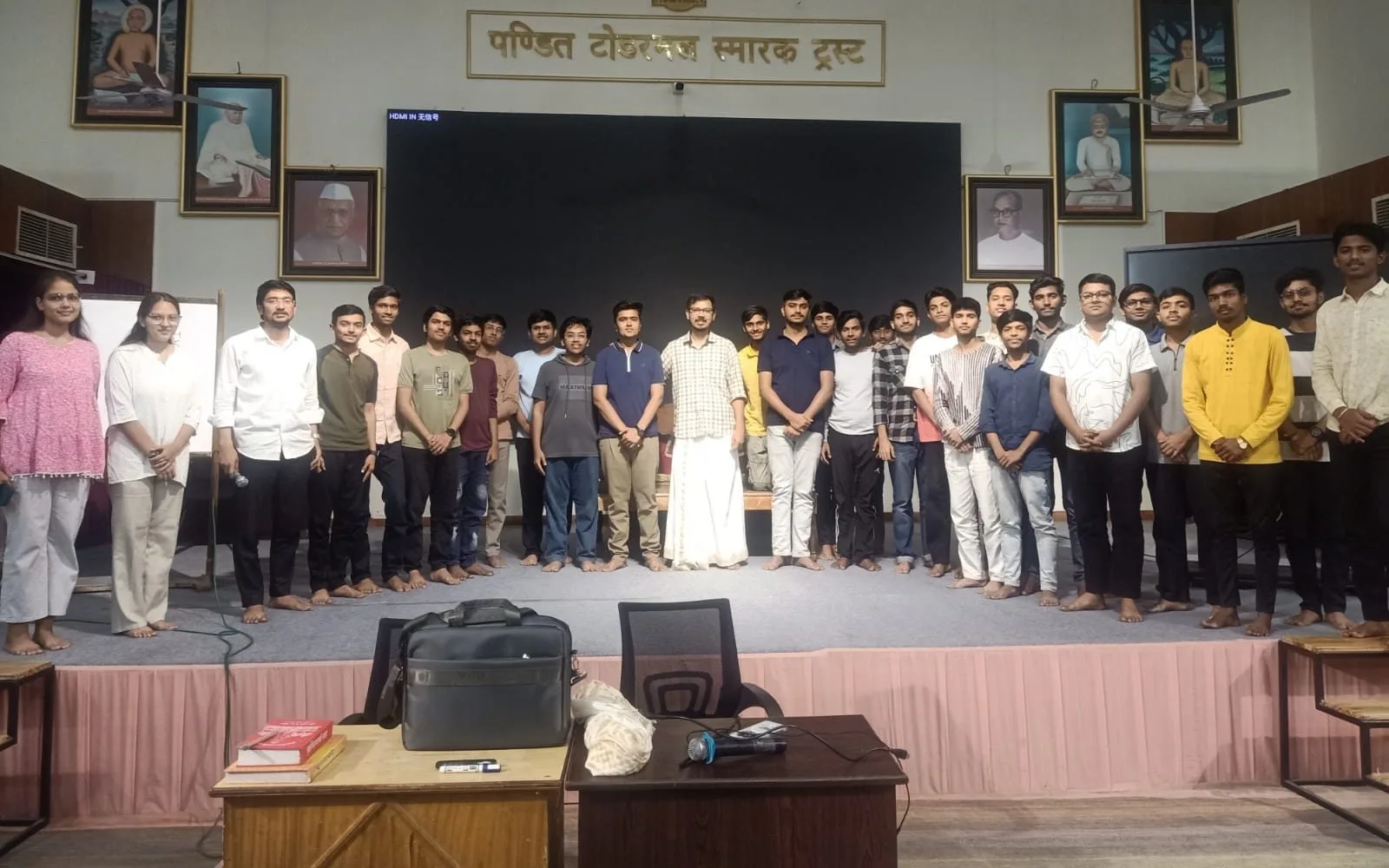
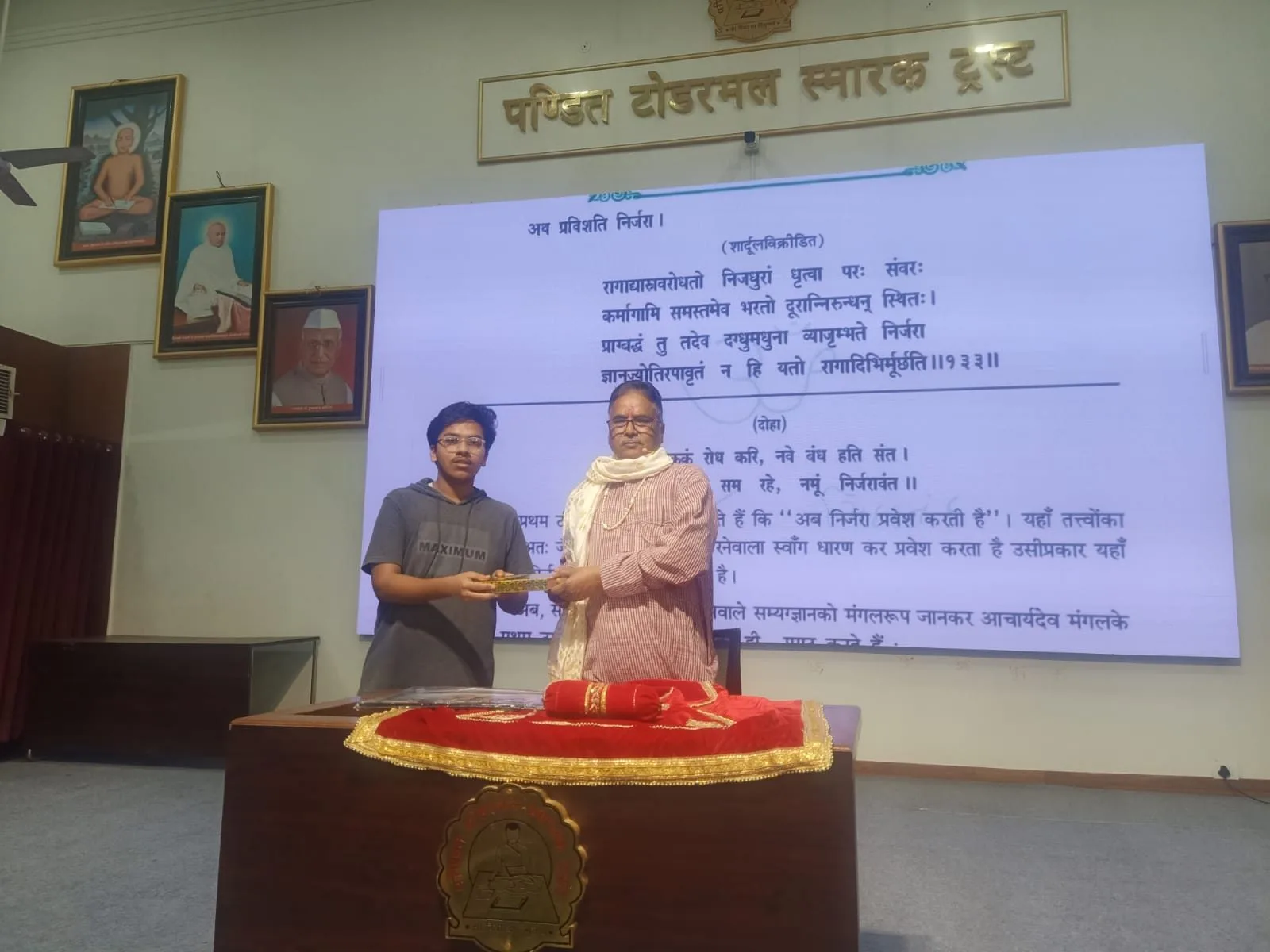
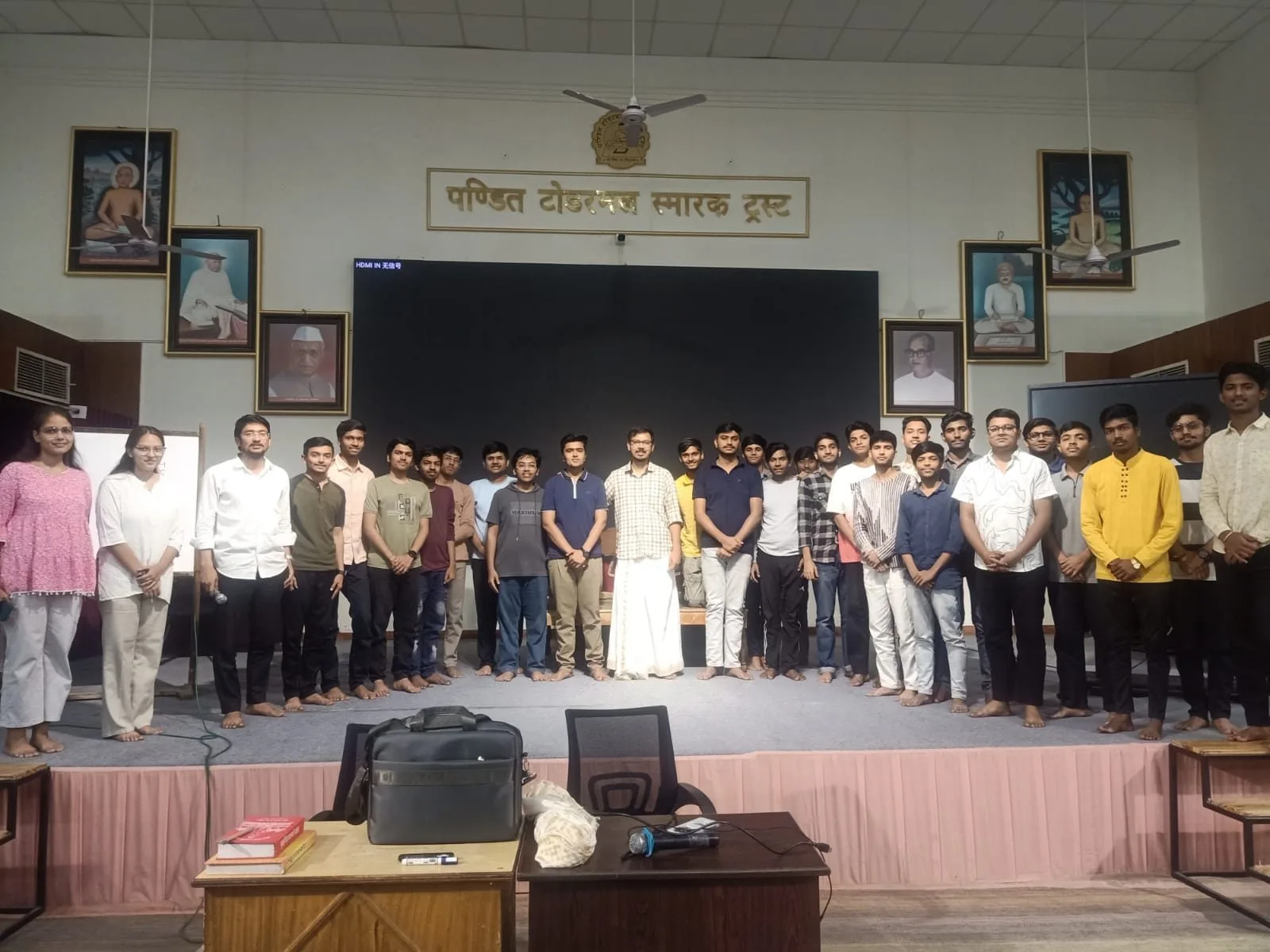
8 photographs
Dates
13–22 March 2026
10 days
Venue
Jaipur
Todarmal Digambar Jain Siddhant Mahavidyalaya
Recorded
51 sessions
50 hours
Faculty
12 scholars
Language
Sanskrit and Hindi

About this course

पाठ्यक्रम परिचय

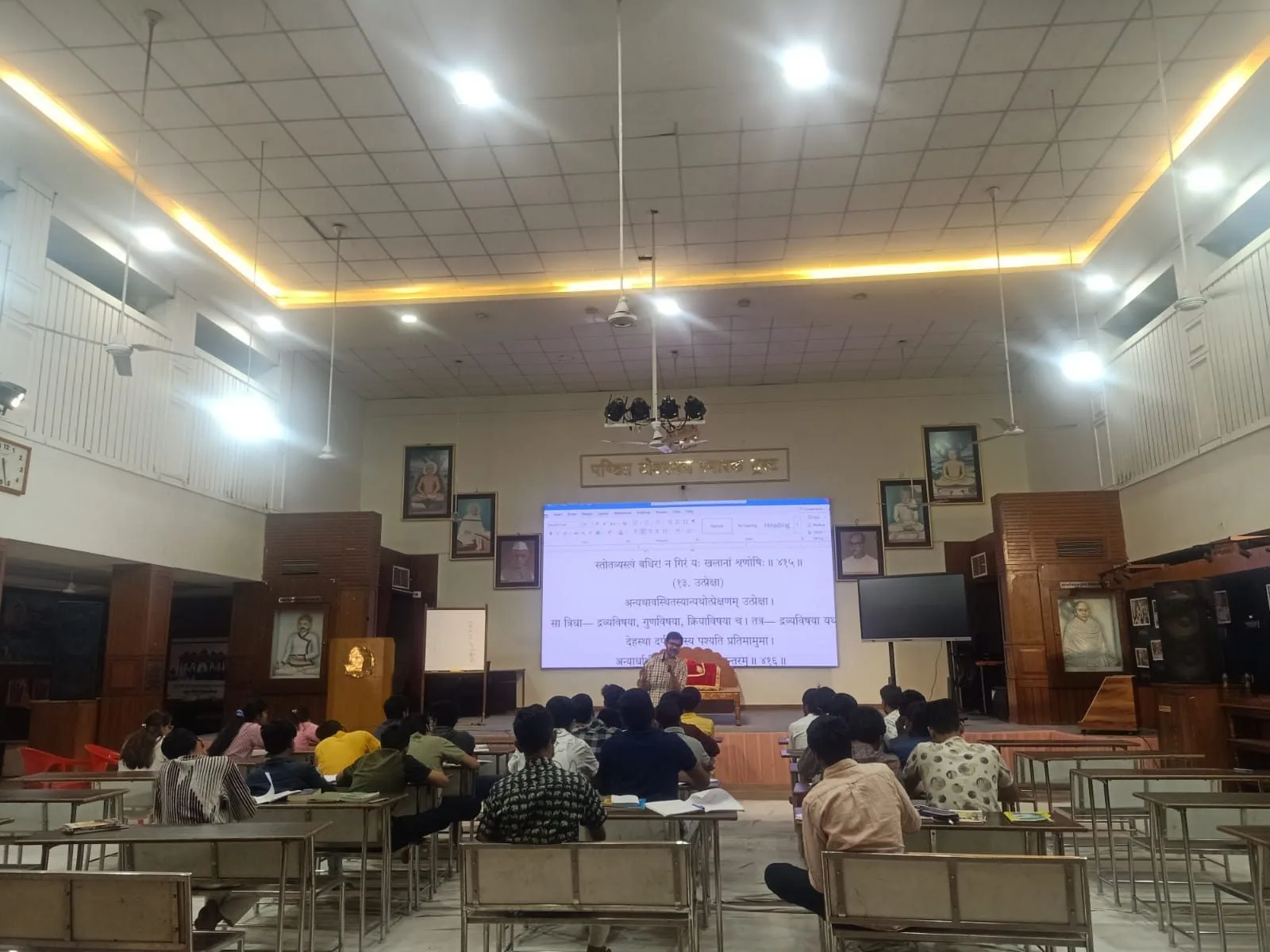
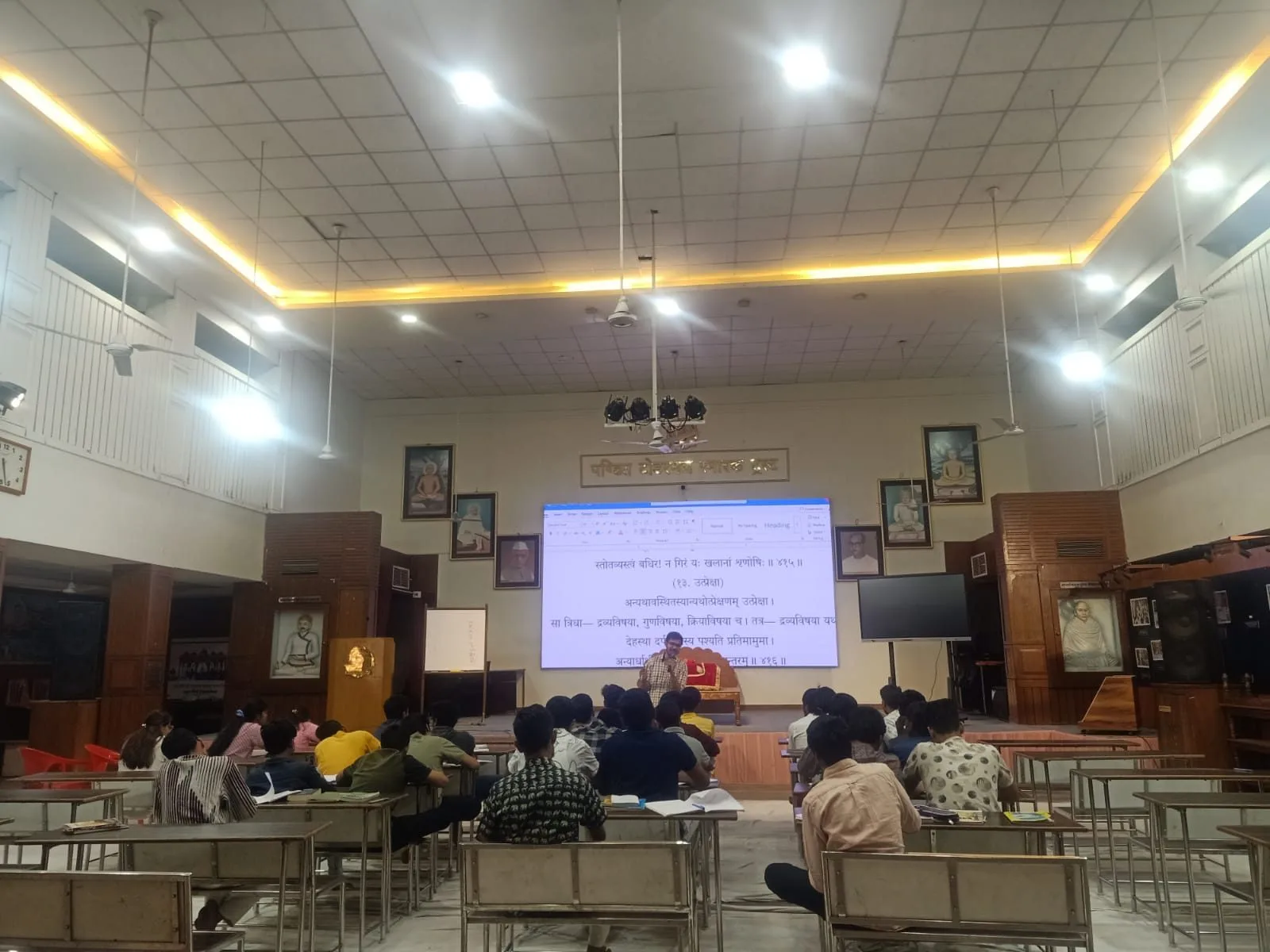
A ten-day residential national workshop in spoken Sanskrit, organised by Samyakgyan Prachar-Prasar Trust and Pandit Todarmal Smarak Trust. Mornings were for conversation practice and language games; afternoons and evenings covered verse study, figures of speech, the history of Sanskrit and Jain Sanskrit literature, and grammar — cases, sandhi and compounds. Convened and directed by Dr. Vipasha Jain.

  • Ten residential days, more than fifty sessions — roughly fifty-four classes
  • Students came from many regions
  • Conversation and language games every morning; grammar, verse and literature through the day
  • Convened and directed by Dr. Vipasha Jain

What was taught

विषय

  • Sanskrit conversation (सम्भाषणकक्षा)
  • Language games (भाषाक्रीडा)
  • Verse study (श्लोकाध्ययनम्)
  • Scripture discourse (शास्त्रप्रवचनम्)
  • Grammatical cases — karaka (कारकम्)
  • Sandhi (सन्धिः)
  • Compounds — samasa (समासः)
  • Figures of speech — alankara (अलङ्काराः)
  • History of Sanskrit and of Jain Sanskrit literature
  • Commentaries, glosses and karikas
  • Voice change (वाच्यपरिवर्तनम्)

A day at the workshop

Mornings for Sanskrit conversation and language games; afternoons and evenings for verse study, figures of speech, literary history and grammar — cases, sandhi and compounds; nights for scripture discourse and self-study.

Watch a session — free

Class — Prof. Y. S. Ramesh

Course content

पाठ्यक्रम — सत्र-दर-सत्र

10 days · 51 sessions · 50 hours

  1. 1Day 1 · Friday, 13 Mar 20262 sessions · 2 hours
    • उद्घाटन समारोह

      Friday, 13 Mar 2026Inauguration

      1 h 1 min
    • Class

      Prof. Y. S. RameshFriday, 13 Mar 2026

      Free preview48 min
  2. 2Day 2 · Saturday, 14 Mar 20266 sessions · 6 hours
  3. 3Day 3 · Sunday, 15 Mar 20266 sessions · 6 hours
  4. 4Day 4 · Monday, 16 Mar 20266 sessions · 5 hours
  5. 5Day 5 · Tuesday, 17 Mar 20266 sessions · 6 hours
  6. 6Day 6 · Wednesday, 18 Mar 20266 sessions · 5 hours
  7. 7Day 7 · Thursday, 19 Mar 20266 sessions · 6 hours
  8. 8Day 8 · Friday, 20 Mar 20265 sessions · 5 hours
  9. 9Day 9 · Saturday, 21 Mar 20264 sessions · 5 hours
  10. 10Day 10 · Sunday, 22 Mar 20264 sessions · 4 hours
    • वाच्यपरिवर्तनम्

      Dr. Naresh SinghSunday, 22 Mar 2026

      1 h 1 min
    • भाषाक्रीडा

      Savin Kumar JiSunday, 22 Mar 2026

      42 min
    • सम्भाषणकक्षा

      Savin Kumar JiSunday, 22 Mar 2026

      1 h 26 min
    • समापनसमारोहः

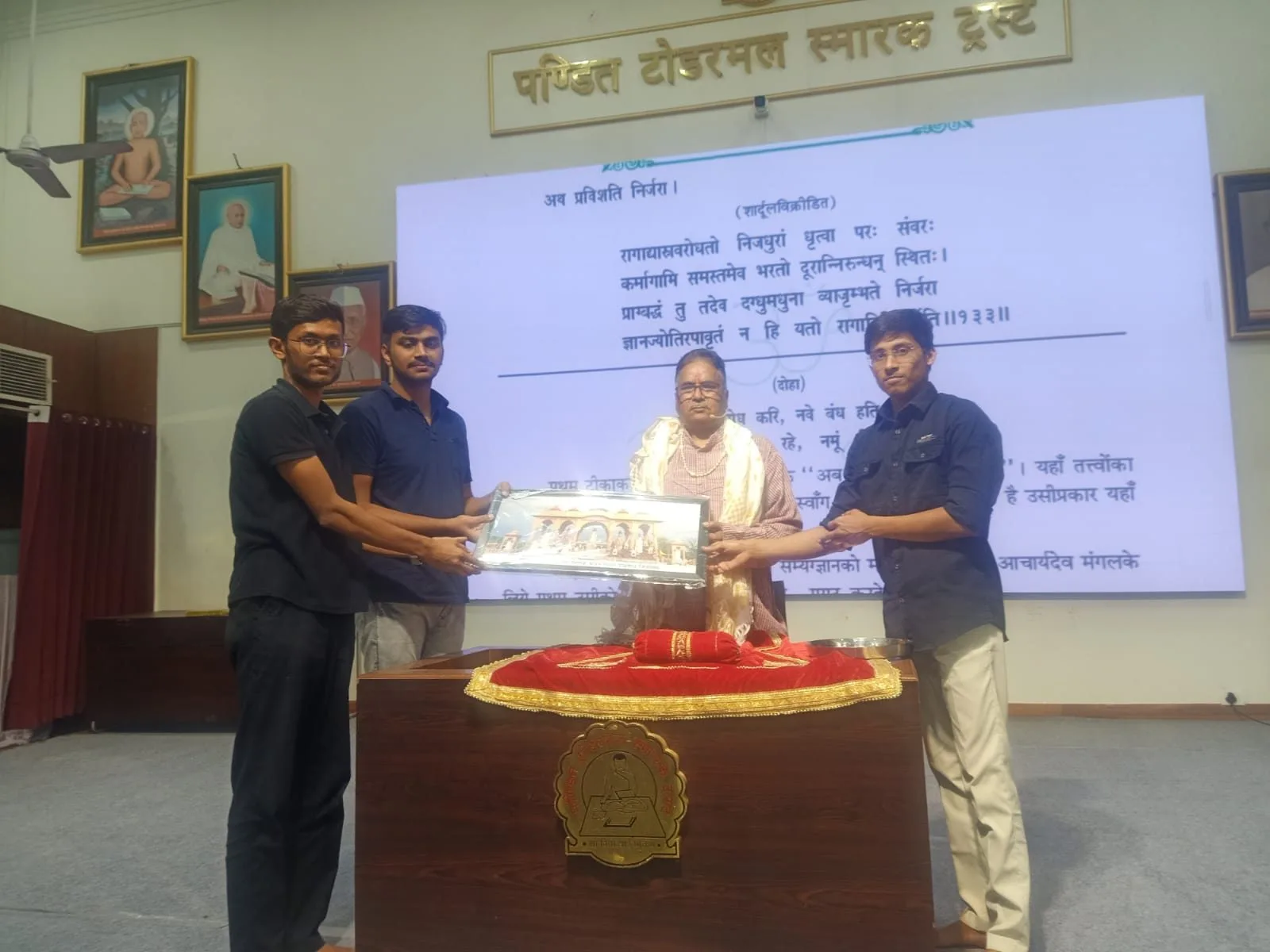
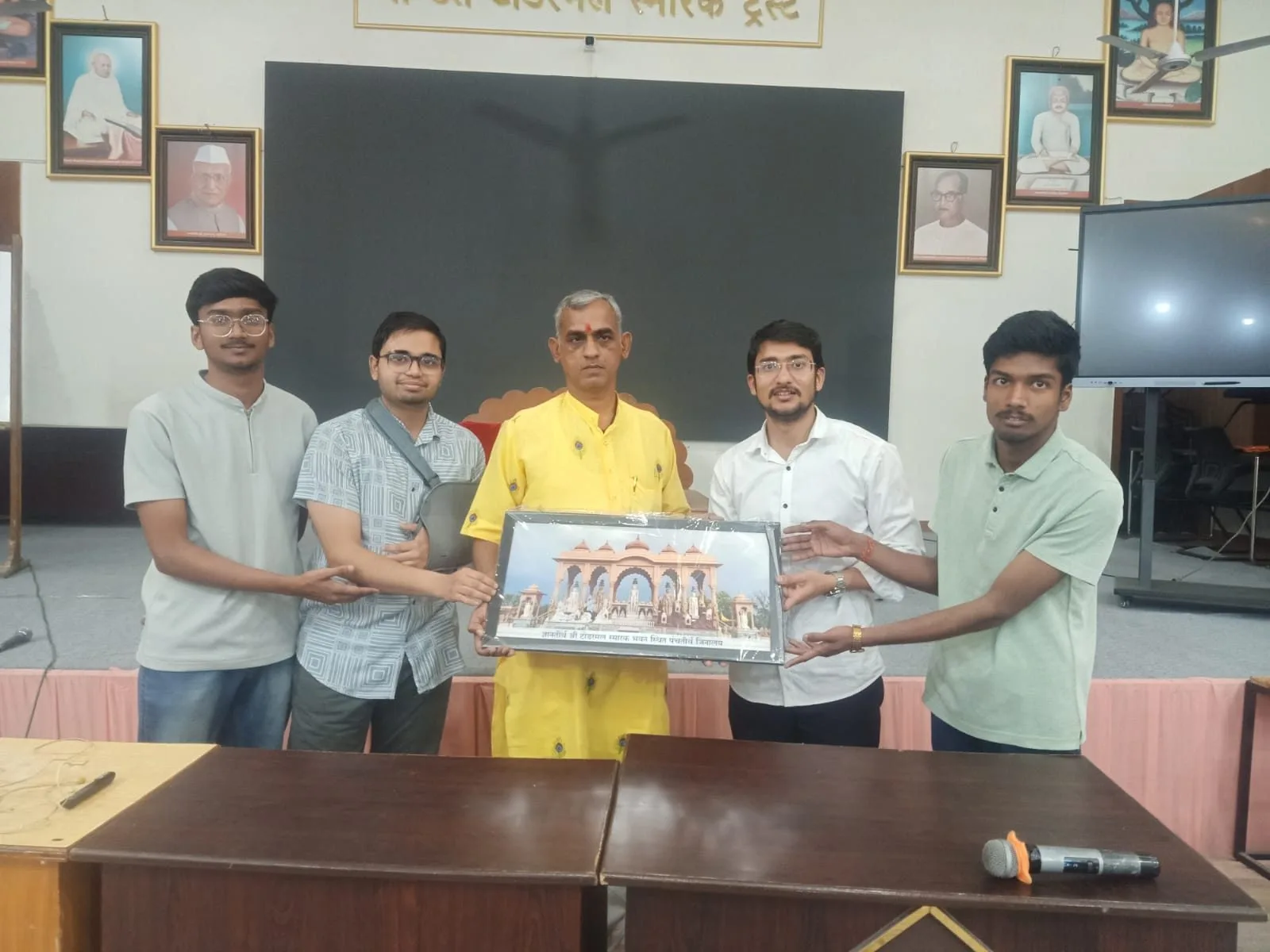
      Sunday, 22 Mar 2026Closing ceremony

      1 h 10 min
  11. Open the course

Faculty

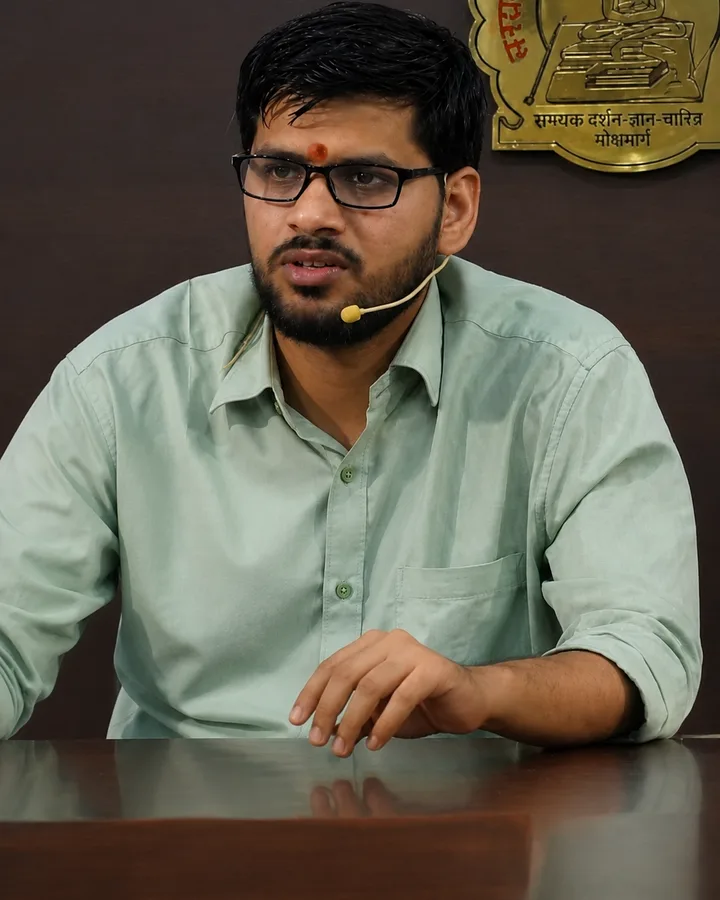
विद्वान् वक्ता

From the workshop report

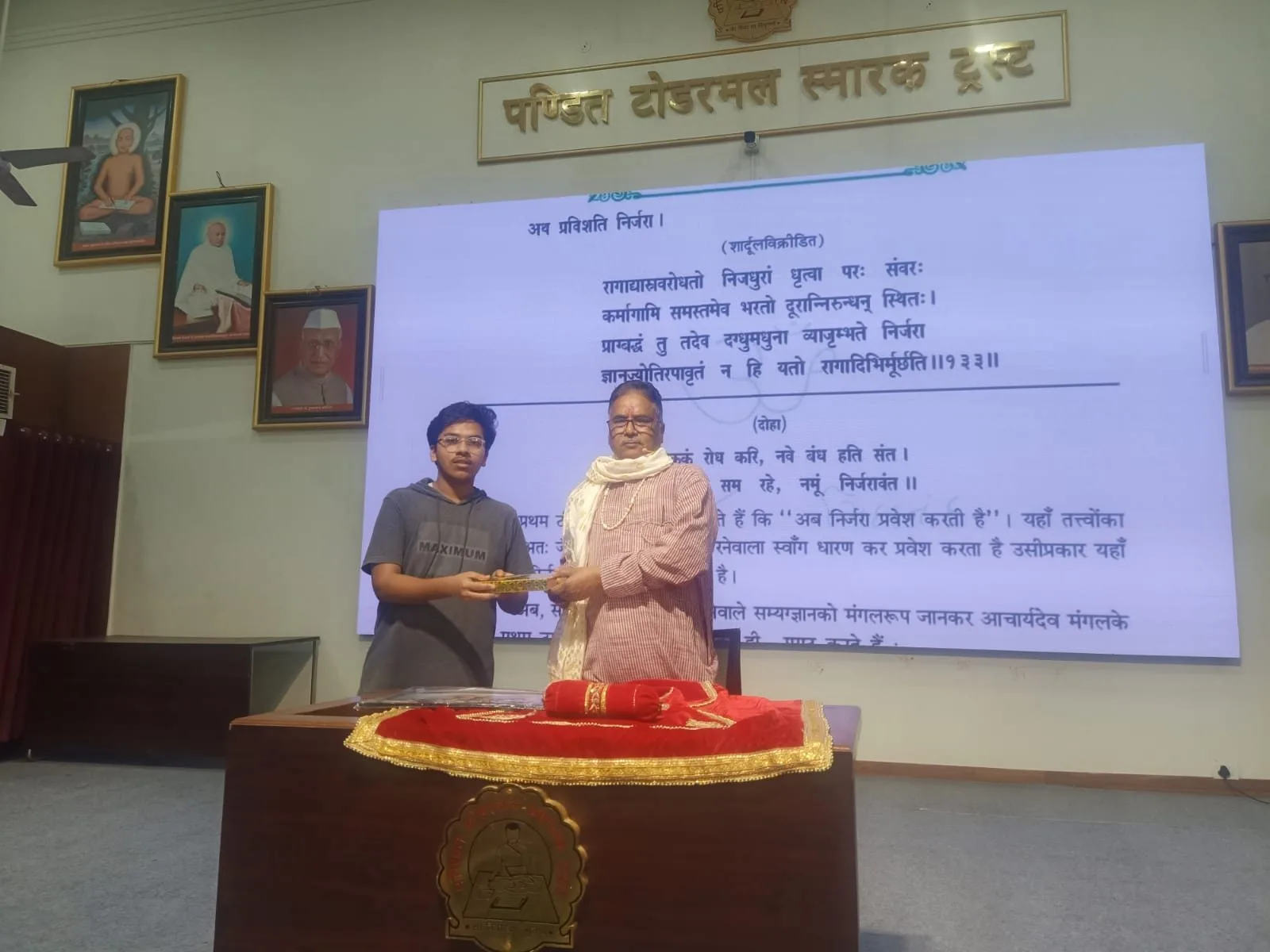
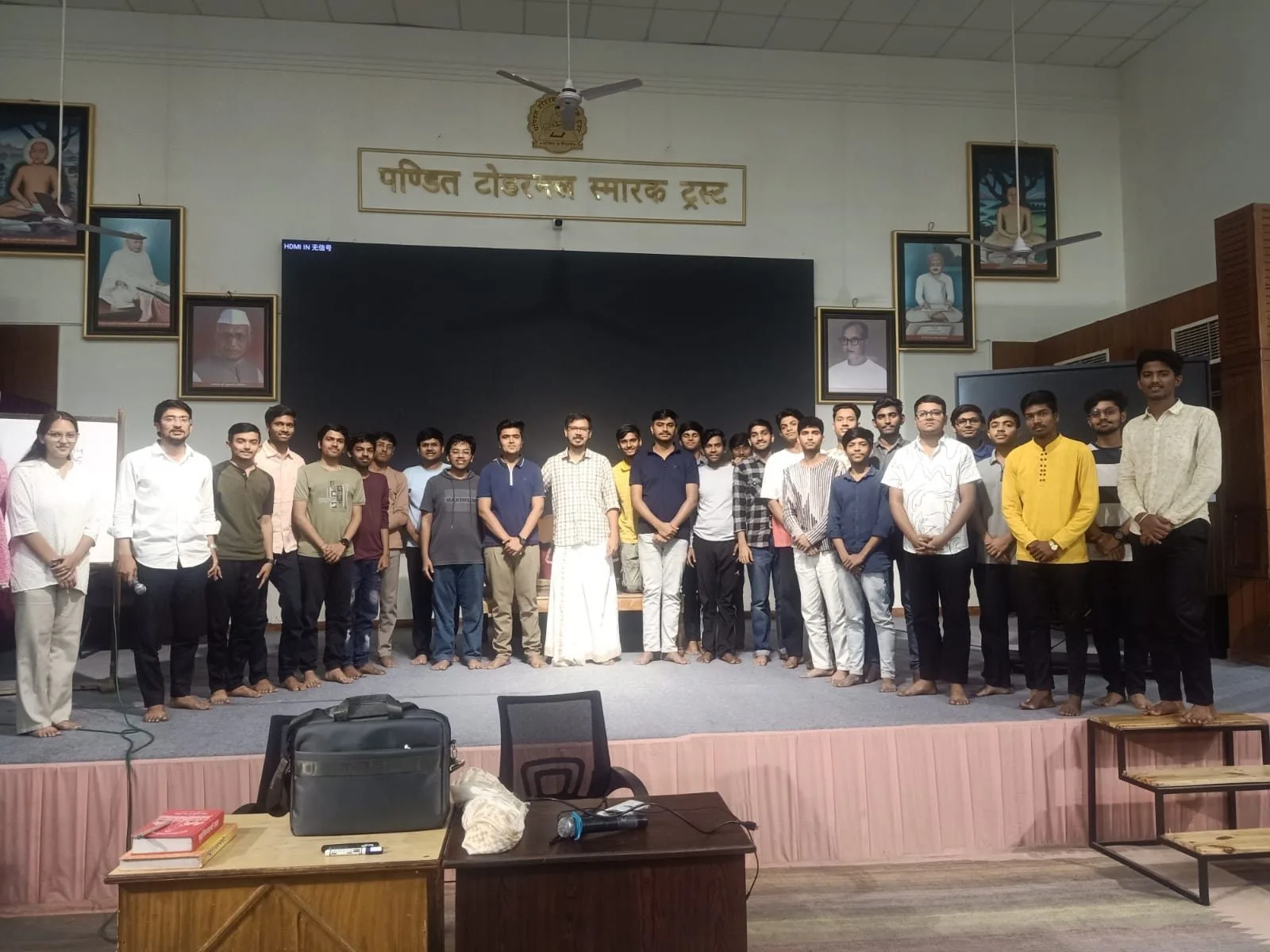
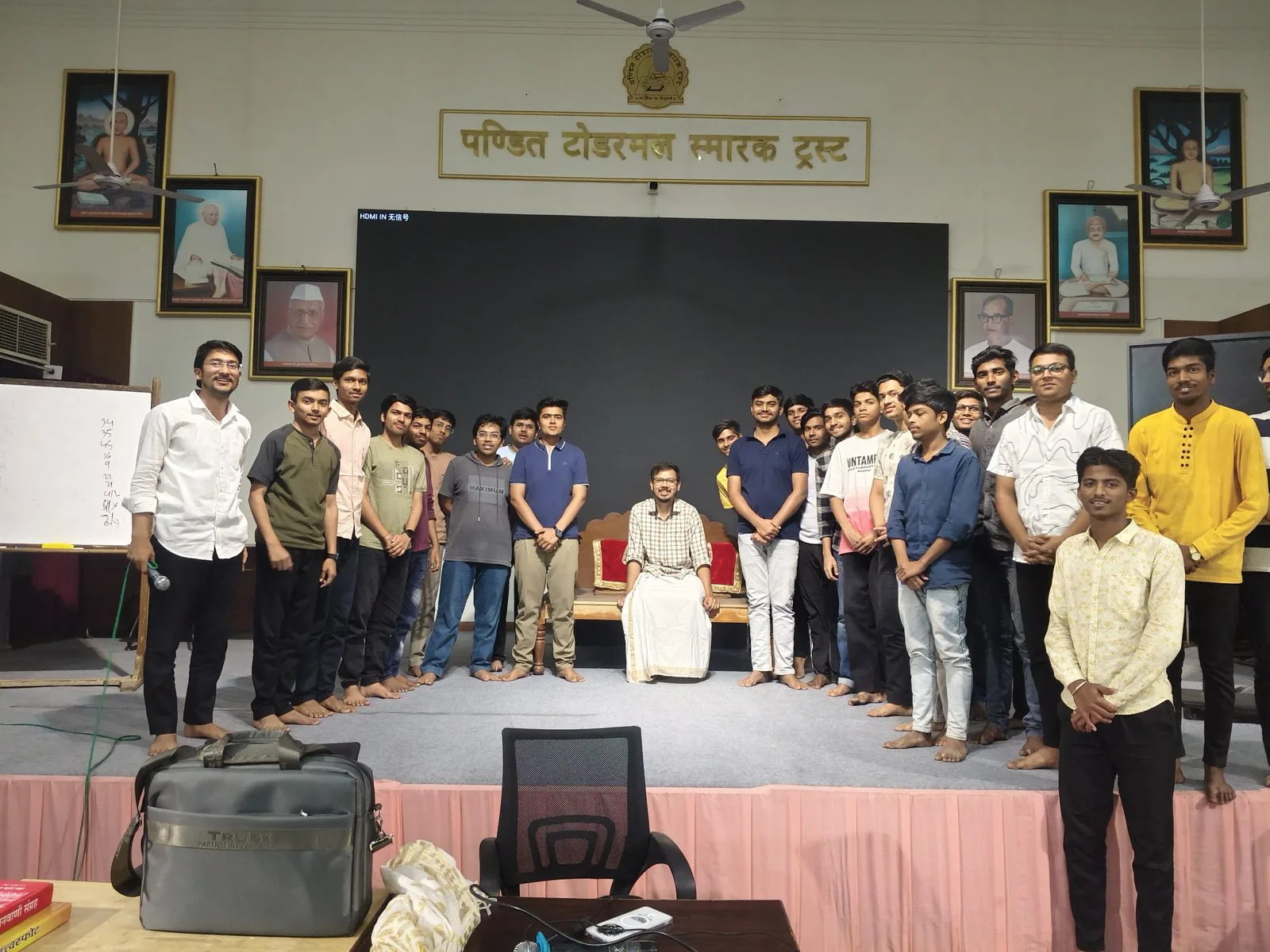
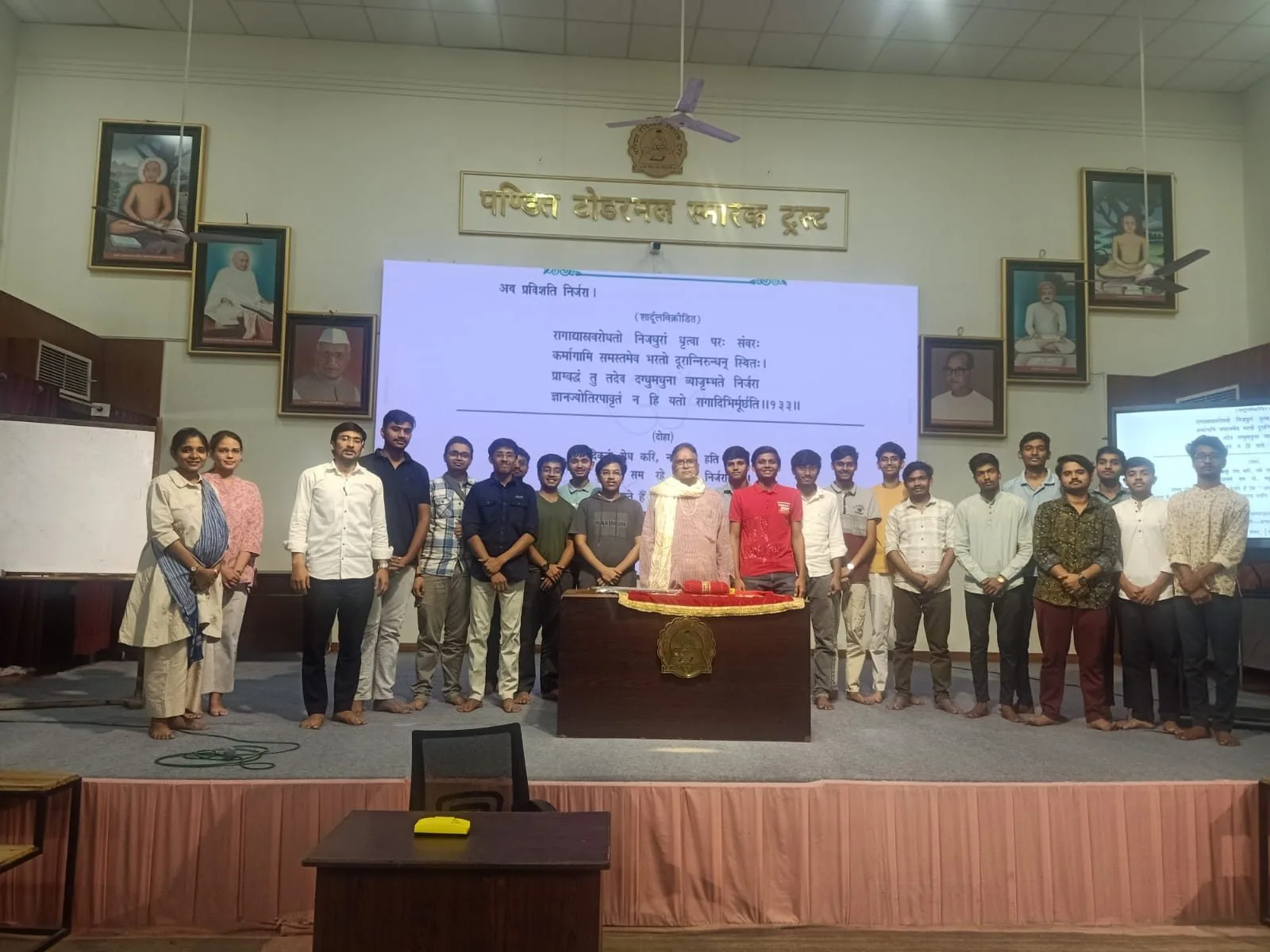
The National Sanskrit Sambhashan Workshop was organised under the joint auspices of the Samyakgyan Prachar-Prasar Trust and the Pandit Todarmal Smarak Trust, and was held from 13 to 22 March 2026 at the Todarmal Digambar Jain Siddhant Mahavidyalaya in Jaipur. Students came from many regions for an enthusiastic, residential immersion in spoken Sanskrit.

The programme ran to more than fifty sessions — roughly fifty-four classes in all. Mornings were given to Sanskrit conversation practice and language games; the afternoon and evening sessions covered verse study, figures of speech, the history of Sanskrit and Jain Sanskrit literature, and grammar — cases, sandhi and compounds; while the night sessions were devoted to scripture discourse and self-study.

“A language grows only through use. The aim of this camp was simple — to move students beyond understanding Sanskrit to speaking it with ease, and to read the scriptures in their original form.” — from the opening address

By the close, participants reported a new confidence in conversing in Sanskrit, a firmer grasp of grammar, and the resolve to keep the practice alive in daily life. The closing ceremony framed the camp not as an end but as the beginning of a continuing habit of study.

Read the full report on sgpt.in